Wood Pallet Lifespan

The 3-5 Year Lie: What the Pallet Industry Doesn't Tell You About "Average Lifespan"
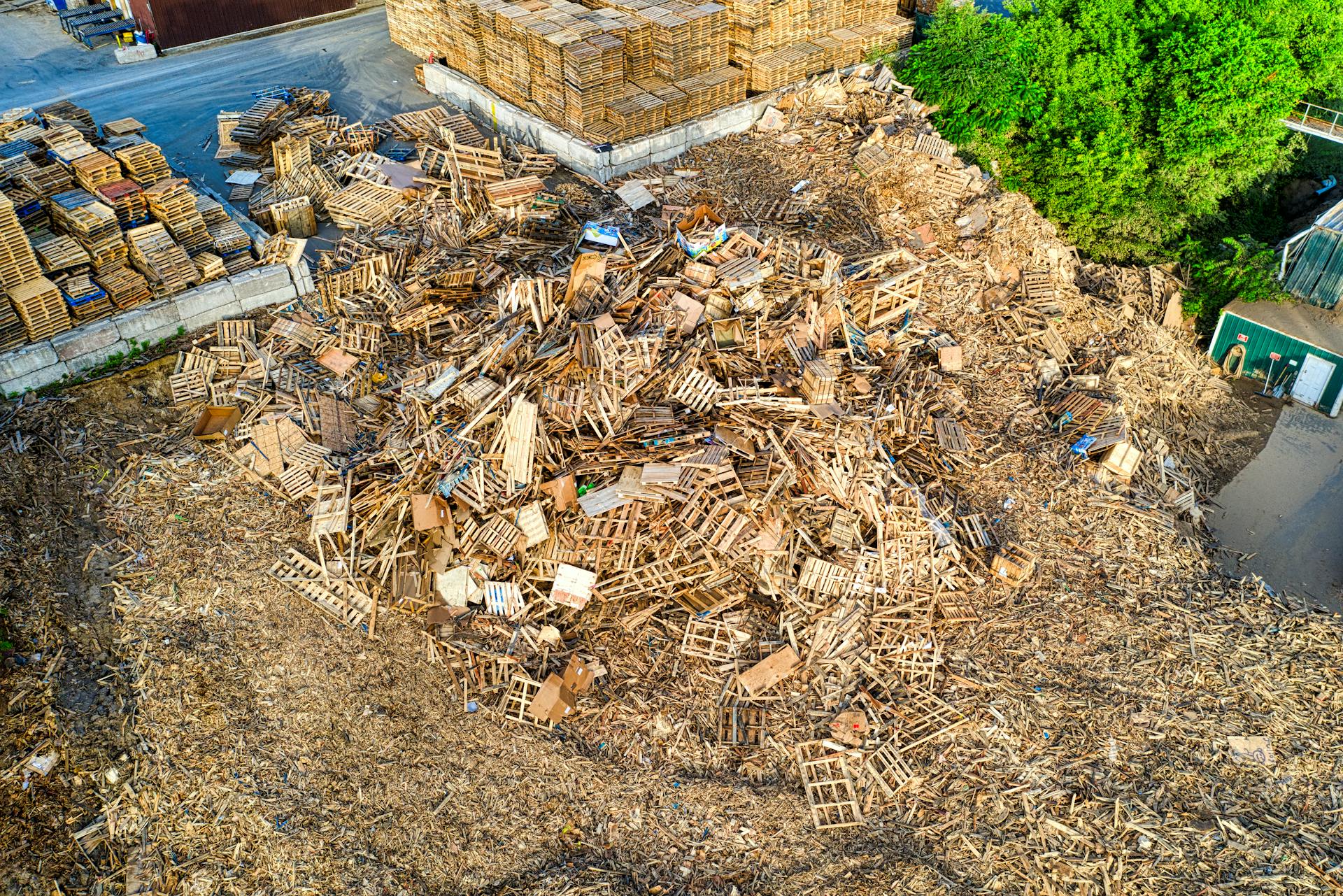
A&I research reveals wooden pallets' "3-5 year" lifespan assumes continuous repairs consuming $75-125 annually per pallet. The industry harvests 1 million acres of US forest yearly for pallets, with 40-year tree growth cycles making current consumption unsustainable.
Published By:
Fortune Business Insights
The Industry's Optimistic Timeline
According to pallet industry sources, a "well-maintained" wooden pallet lasts between three to five years. Some, with "optimal care and maintenance," can last even longer.
But let's talk about what those qualifiers actually mean for your business.
The Real Lifespan Under Real Conditions
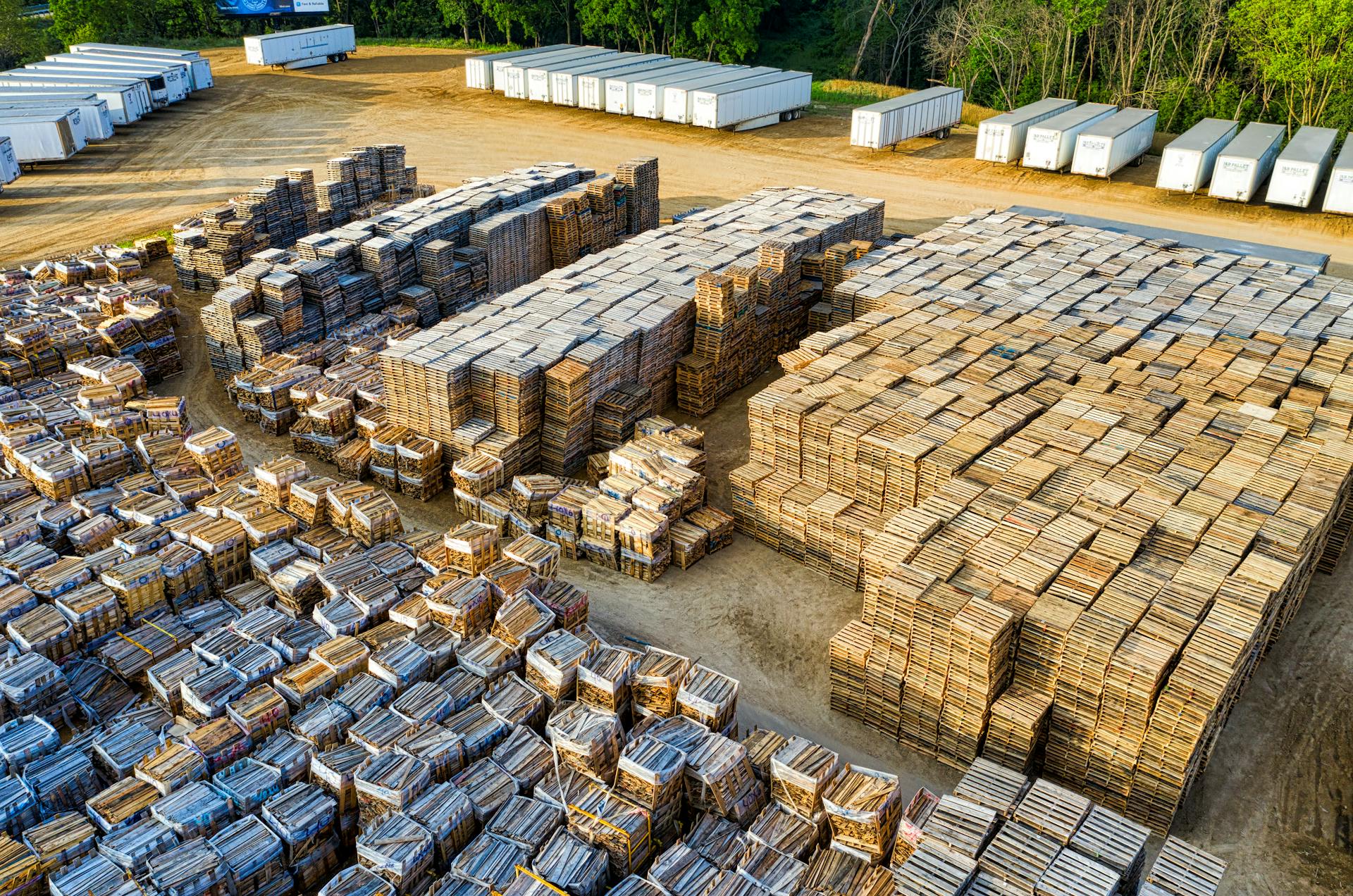
The EPA reports that 90% of all wood packaging is in the form of wood pallets. That's millions of pallets in circulation, and the industry standard lifespan of 3-5 years assumes ideal conditions that rarely exist in actual operations.
Stated Lifespan | Reality Check |
|---|---|
3-5 years average | Only with "well-maintained" care |
"Can last longer" with optimal care | Requires constant monitoring and intervention |
Hardwood more durable than softwood | Both still need regular repair and eventual replacement |
Indoor storage extends life | Most operations can't store all pallets indoors |
Here's what "well-maintained" actually requires.
The Hidden Maintenance Burden
The pallet industry casually mentions maintenance as if it's a minor consideration. But look at what maintaining that 3-5 year lifespan actually involves:
Regular Inspection Requirements:
Checking for damaged boards
Identifying loose or missing fasteners
Detecting early signs of rot or insect damage
Assessing structural integrity before each use
Ongoing Repair Needs:
Replacing broken boards
Re-nailing or re-screwing loose components
Addressing minor damages before they worsen
Removing and marking damaged pallets from circulation
Protective Treatments:
Applying preservatives to prevent rot
Treating against insect infestation
Protecting against mold growth
Reapplying treatments as they wear off
Each of these activities costs labor hours, materials, and operational disruption. The "3-5 year lifespan" isn't free. It's purchased through continuous investment.
Factors That Actually Determine Pallet Life
The industry identifies several factors affecting pallet longevity. But notice how many are outside your control:
Factor | Industry Claim | Operational Reality |
|---|---|---|
Material Quality | "High-quality wood essential" | You're dependent on supplier consistency |
Environmental Conditions | "Indoor storage significantly extends life" | Most operations have mixed indoor/outdoor needs |
Handling Practices | "Proper handling prevents damage" | Multiple touchpoints, varied skill levels, time pressure |
Maintenance | "Regular inspection prolongs durability" | Requires dedicated resources and systems |
The Environmental Condition Problem
Pallet industry sources note that pallets "used in controlled environments, such as indoor warehouses, tend to last longer than those exposed to harsh outdoor conditions."
But what's a "harsh outdoor condition"? In logistics, that includes:
Loading docks (exposure to weather during loading/unloading)
Temporary outdoor storage (space constraints)
Transportation (temperature fluctuations, moisture)
Receiving areas (often not climate controlled)
Even businesses with sophisticated warehouses can't control conditions throughout the entire supply chain. Your pallet might spend 80% of its life indoors, but that 20% of outdoor exposure is where degradation accelerates.
The Handling Practices Myth
The industry recommends "avoiding overloading, ensuring even distribution of weight, and using pallets for their intended purposes" to extend lifespan.
This assumes perfect execution at every touchpoint:
Warehouse staff under time pressure
Multiple shifts with varying training levels
Third-party logistics partners with their own priorities
Receiving departments rushing to unload trucks
One forklift operator having a bad day can reduce that "3-5 year lifespan" to a few months for multiple pallets.
The Material Quality Gamble
"Hardwood pallets tend to be more durable and have a longer lifespan compared to softwood pallets."
Great. Now you're managing supply chain decisions based on wood species. You need to:
Verify wood type from suppliers
Pay premium for hardwood when available
Accept softwood and shorter lifespan when hardwood isn't available
Track which pallets are which material
Adjust replacement schedules accordingly
All to maybe get an extra year or two before replacement.
The Treatment Trap
The article mentions treating pallets "with various protective coatings and preservatives to enhance their durability" to prevent rot, insects, and mold.
But each treatment adds:
Additional upfront cost per pallet
Ongoing reapplication requirements
Material handling and safety considerations
Environmental and disposal concerns
Potential contamination issues with food products
You're not buying a pallet anymore. You're buying a consumable asset that requires continuous chemical maintenance.
The Actual Cost of "3-5 Years"
Let's calculate what maintaining that industry-standard lifespan actually costs for a modest operation:
Mid-Size Operation with 200 Pallets:
Cost Category | Annual Amount | Notes |
|---|---|---|
Initial pallet cost | $8,000 | 200 pallets @ $40 each, amortized over 4 years = $2,000/year |
Replacement costs | $2,000 | Replacing ~50 pallets/year due to damage |
Inspection labor | $3,120 | 2 hours/week @ $30/hour |
Repair materials | $1,500 | Boards, nails, fasteners |
Repair labor | $2,080 | 80 hours/year @ $26/hour |
Treatment/preservation | $800 | Protective coatings, preservatives |
Disposal costs | $600 | Hauling damaged pallets |
Storage for repairs | $1,200 | Space dedicated to repair operations |
TOTAL | $13,300 | Just to maintain 200 pallets |
And that's assuming you achieve the industry average 4-year lifespan. Many operations see pallets fail much sooner.
The Questions Nobody Asks
The pallet industry focuses on extending lifespan. But they don't ask:
Why are we measuring success in years? Cars last 10-15 years. Shipping containers last 20+ years. Industrial equipment lasts decades. Why do we accept that pallets wear out in 3-5 years?
Why is maintenance the solution? We've built an entire economic model around constantly repairing consumable assets. What if the asset wasn't consumable?
Why is failure inevitable? The industry talks about "when" pallets need replacement, not "if." The business model assumes continuous failure.
The Hardwood Premium Deception
The article notes that "hardwood pallets generally last longer than those made from softwood."
Industry sources position this as a solution: pay more, get longer life. But look at what this really means:
Hardwood Pallet Reality:
Costs $50-70 vs. $30-40 for softwood
Still requires all the same maintenance
Still fails from handling damage regardless of wood strength
Still exposed to same environmental degradation
Might last 5-7 years instead of 3-5 years
You're paying premium prices for slightly slower failure
This isn't innovation. It's optimization of an inherently flawed model.
The Indoor Storage Fantasy
"Pallets... used in controlled environments, such as indoor warehouses, tend to last longer."
Perfect. Just ensure that:
Every warehouse in your supply chain has climate control
All loading docks are covered and temperature regulated
Transportation is climate controlled
Receiving areas never expose pallets to weather
You never need outdoor storage for overflow
All partners in your supply chain maintain same standards
If you can guarantee all that, you might approach the industry's optimistic 3-5 year timeline.
What "Optimal Care" Actually Requires
The article mentions that with "optimal care and maintenance, some pallets can last even longer" than 3-5 years.
Here's what optimal care looks like:
Dedicated pallet management staff
Systematic inspection protocols
Immediate repair response
Climate-controlled storage
Protective treatment programs
Strict handling procedures
Regular training for all staff
Quality control at every touchpoint
You're running a pallet management operation within your logistics operation. The pallet isn't a tool anymore—it's a liability requiring constant attention.
The Intrinsic vs. Extrinsic Factor Trap
The industry divides factors affecting durability into "intrinsic" (wood type, construction quality, protective treatments) and "extrinsic" (usage conditions, moisture, temperature, handling).
Notice the problem: You can maybe control intrinsic factors by paying more and selecting carefully. But extrinsic factors—the actual conditions your pallets face—are largely outside your control.
You're spending money optimizing variables that might represent 30% of durability while the remaining 70% is determined by factors you can't manage.
The Repair Economics That Don't Add Up
"Regular inspection and maintenance, such as repairing minor damages and treating the wood, can prolong the durability of wooden pallets."
Let's think about the economics of repair:
Labor cost to inspect: $10-20 per pallet per inspection
Labor cost to repair: $15-30 per repair
Materials cost per repair: $5-15
Downtime removing pallet from circulation: opportunity cost
Risk of incomplete repairs causing product damage: unknown cost
Compare to replacement cost: $30-40 for new pallet.
You're often paying more to repair than to replace. The only reason repair makes sense is because replacement cycles are so frequent that replacing every damaged pallet would be economically devastating.
The PEER Pallets Alternative
Every limitation the pallet industry accepts as inevitable, we've designed around:
Wooden Pallet Standard | PEER Pallets Solution |
|---|---|
3-5 year lifespan requiring constant maintenance | 10-year lifespan with no consumable maintenance |
Susceptible to moisture, rot, insects | HDPE construction immune to rot, insects, and moisture damage |
Requires protective treatments and chemicals | No treatments required, food-safe material throughout life |
Damaged by normal forklift handling | Built-in wrapping system protected in pallet structure |
Dependent on wood quality and supplier consistency | Engineered material with consistent properties |
Needs indoor storage to maximize life | Designed for both indoor and outdoor use |
Continuous repair cycle required | Modular components replaceable if damaged |
Disposal and replacement costs | Fully recyclable at end of true service life |
The Math That Actually Matters
Wooden Pallet Model (200 pallets): | PEER Pallets Model (200 pallets): |
|---|---|
|
|
Net savings over 10 years: $77,000-83,000
Plus eliminated waste disposal, no chemical treatments, no continuous replacement cycle.
The Industry's Acceptance of Failure
Here's what's remarkable about the pallet industry: they've normalized failure.
A 3-5 year lifespan isn't presented as a problem to solve. It's presented as the expected standard. The entire ecosystem—suppliers, users, recyclers, repair services—is built around the assumption that pallets fail quickly and need constant intervention.
What if we questioned that assumption?
The Real Question
The pallet industry has spent decades optimizing wooden pallet lifespan. They've improved materials, construction techniques, and treatments. They've developed best practices for handling and maintenance.
And after all that optimization, the best they can offer is 3-5 years with "optimal care and maintenance."
PEER Pallets asks a different question: What if pallets didn't need to fail in the first place?
No maintenance protocols. No repair cycles. No treatment schedules. No replacement planning.
Just a pallet that does its job for a decade, eliminates single-use plastic waste, and actually earns the term "asset" rather than "consumable."
The Bottom Line
The pallet industry will tell you 3-5 years is a reasonable lifespan. They'll explain all the factors affecting durability. They'll offer tips for extending life through maintenance and care.
But they won't ask why we've accepted a system where the primary tool of logistics requires constant intervention just to achieve a few years of service.
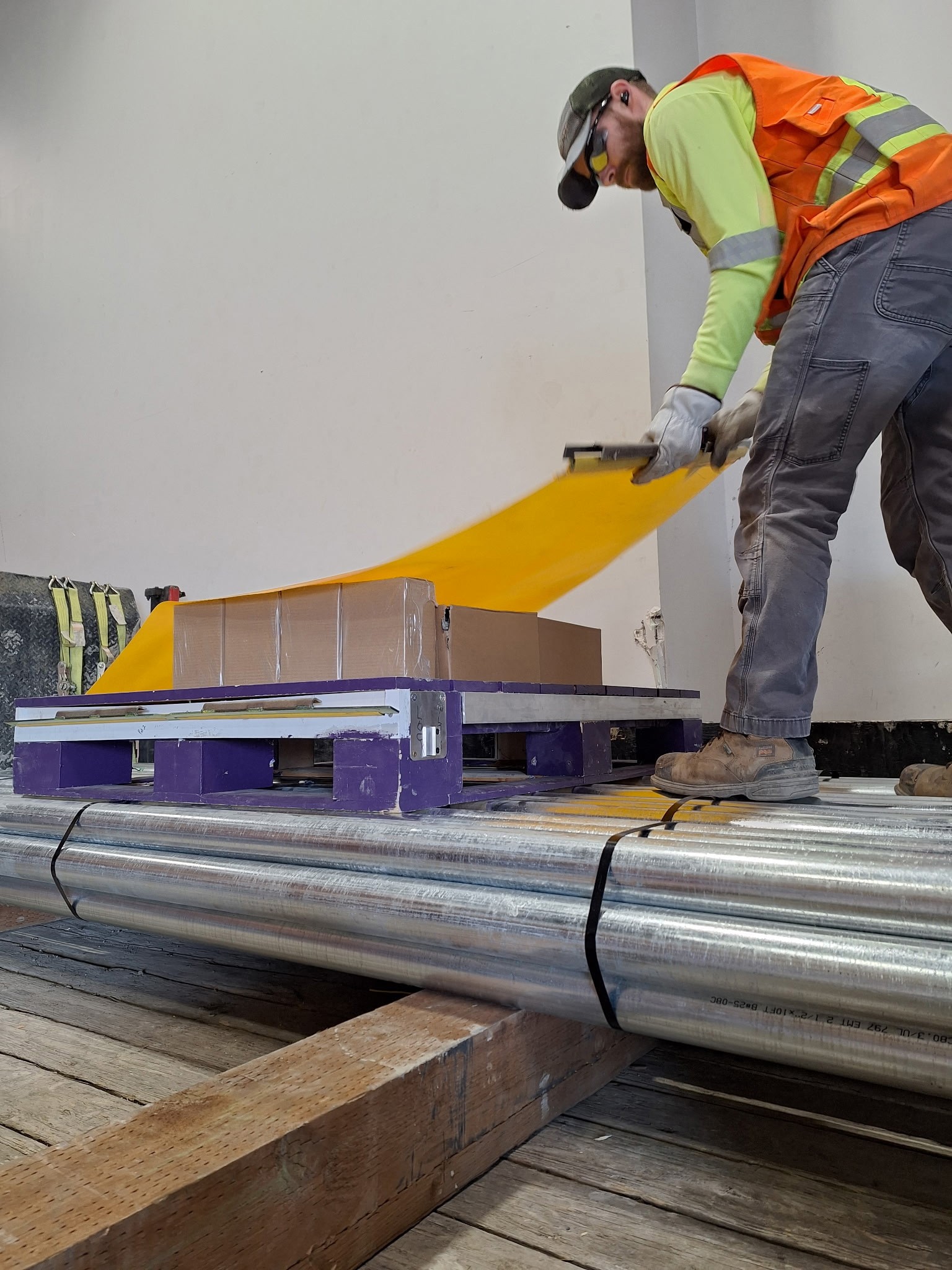
PEER Pallets isn't trying to extend the life of wooden pallets. We're offering a fundamentally different solution that eliminates the replacement-and-repair cycle entirely.
Ready to stop managing pallet failure? Contact PEER Pallets to learn how our 10-year solution eliminates the hidden costs of "3-5 year" wooden pallet lifespan.