Packaging Waste
Related Posts

UN Environmental Program
Global Plastic Waste
400 million metric tons of plastic waste produced annually worldwide, with only 9% recycled globally

UN Environmental Program
Ocean Plastic Pollution
8 million metric tons of plastic enter oceans annually; 19-23 million tonnes leak into aquatic ecosystems yearly
The $98 Billion Question: Why Is the Pallet Industry Growing While Ignoring Its Biggest Problem?
IMARC's $98.4B market projection by 2034 measures increased spending on consumable assets, not solved problems. The pooling model (CHEP's 300M+ pallets) optimizes distribution of planned obsolescence—pallets return, but stretch wrap never does.
Published By:
Fortune Business Insights
A Market Built on Waste
The global pallet market is projected to reach $98.4 billion by 2034, growing at 3.90% annually from its current $68.5 billion valuation. That's nearly $100 billion dedicated to moving products around the world.
But here's the uncomfortable reality hiding in those impressive numbers: the industry is growing because it's based on consumption, replacement, and waste—not innovation.
The Market Reality in Numbers
Market Metric | Current (2025) | Projected (2034) | Growth Rate |
|---|---|---|---|
Global Market Value | $68.5 billion | $98.4 billion | 3.90% CAGR |
Primary Material | Wood (largest segment) | Wood (continued dominance) | Based on replacement cycles |
Largest End User | Food & Beverage | Food & Beverage | Driven by volume needs |
Leading Region | North America | North America | Mature market leadership |
What's Really Driving This Growth
Global commerce demands standardized pallets. More international trade means more pallets manufactured to meet phytosanitary regulations (heat-treated to prevent pest transfer). Each compliance requirement adds cost and complexity.The market research reveals five key drivers behind the pallet industry's expansion. But look closely at what they actually mean:
 |  |
E-Commerce Expansion | Warehouse Automation |
|---|---|
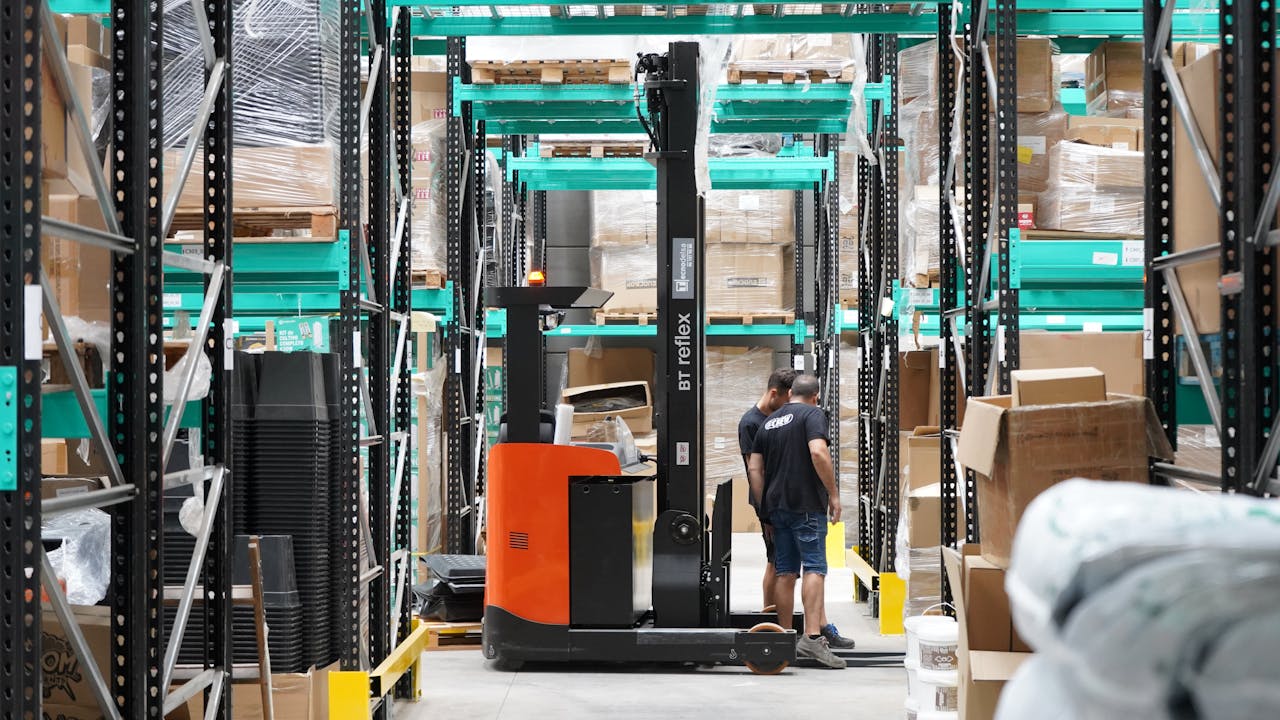
Online shopping is exploding. More products moving means more pallets needed. But "needed" really means "consumed and discarded." The model scales linearly: double the shipments, double the pallets, double the waste. | Automated storage and retrieval systems (AS/RS) depend on standardized pallets. As warehouses modernize, they lock themselves into systems requiring continuous pallet supply. This isn't efficiency—it's dependency. |
 |  |
Food & Beverage Sector Growth | Demand for "Eco-Friendly" Materials |
|---|---|
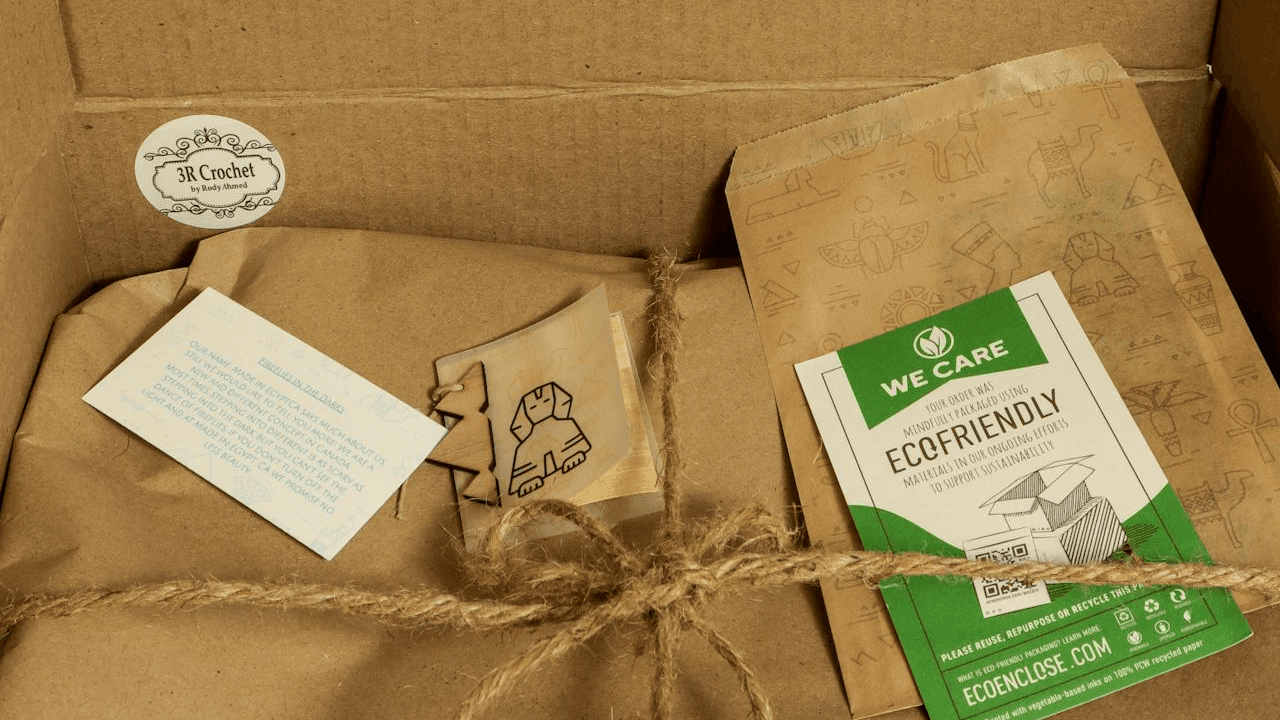
The F&B sector is the largest end user, accounting for the biggest market share. Why? High shipment frequency, stringent safety requirements, and massive distribution volumes. But every pallet sent out eventually needs replacement. | The market is shifting toward "sustainable" alternatives like plastic and composite pallets. But here's what the research actually says: these materials are being chosen because they're "reusable and recyclable." Not because they're being reused or recycled—because they theoretically could be. |
The Dominant Material: Wood
Wood pallets control the global market. The research explains why:
Wood Pallet Advantages | Reality Check |
|---|---|
Affordable raw material | Requires continuous harvesting of forests |
Easy to repair | Requires constant repair to remain usable |
Biodegradable and "sustainable" | Takes decades to biodegrade; replacement still needed |
Highly customizable | Each customization requires new manufacturing |
Widespread availability | Because demand never stops |
The report notes wood pallets are "biodegradable, aligning with sustainability goals, and offer a carbon-neutral alternative." But earlier data from UNEP shows that one million acres of U.S. forest are cut annually just for pallet production. That's 10 times the size of New York City. Every year.
Carbon-neutral on paper doesn't mean sustainable in practice.
The Food & Beverage Dependency
F&B dominates pallet demand because these products require:
Clean, elevated surfaces to prevent contamination
Versatile solutions for varying product sizes
Efficient inventory management and rotation
Minimal handling time to preserve freshness
Every single one of these needs could be met with a reusable system. Instead, the industry has built a $98 billion market around consumable solutions that meet these needs temporarily before being replaced.
The Block Pallet Paradox
Block pallets lead the structural design segment because they offer:
Four-way entry design for superior handling
Better stability and load-bearing capacity
Solid deck design preventing item loss
Longer lifespan and durability
Notice what's being celebrated: a pallet that lasts longer before needing replacement. The best the industry can offer is a slower consumption cycle, not actual sustainability.
Regional Market Leadership: North America
North America dominates with the largest market share, driven by:
Extensive manufacturing and automotive sectors
Stringent phytosanitary regulations requiring heat-treated pallets
Emphasis on "sustainability" and recyclable options
Mature logistics infrastructure
The region with the most developed supply chains, the strictest environmental awareness, and the largest market share is still operating on a fundamentally unsustainable model.
The Innovation That Isn't
The report highlights recent "innovations":
May 2025: Pallet EZ launches as the "first off-the-shelf palletizing solution in North America" - an automation system to use pallets faster.
April 2025: ORBIS introduces new system totes and trays to "enhance automation effectiveness" - more efficient consumption of packaging.
January 2025: VLS Environmental Solutions launches a Pallet Recycling Program turning rejected wooden pallets into Alternative Engineered Fuel - burning waste as the solution to waste.
August 2024: KraftPal Technologies introduces corrugated cardboard pallets as a "green alternative" - replacing one disposable material with another.
These are improvements to a broken system, not solutions to the underlying problem.
What the Market Research Reveals About Competition
Major Players | Market Position |
|---|---|
CHEP (Brambles Limited) | Rental/pooling model - pallets constantly circulating, requiring replacement |
PECO Pallet, Inc. | Rental model - revenue from continuous pallet demand |
PalletOne Inc. | Manufacturing - profits from volume production |
UFP Industries, Inc. | Diversified wood products - dependent on continuous material consumption |
The largest players in the industry have business models predicated on pallets wearing out, breaking, or being lost. Their success depends on the system never being solved.
The Sustainability Contradiction
The report notes a "shift towards reusable and recyclable pallet materials, such as plastic and composite pallets" driven by "growing awareness of sustainability."
But look at what's actually happening:
Plastic pallets are "reusable" but still get lost, damaged, and replaced
Composite materials are "recyclable" but recycling infrastructure remains limited
The market is growing at 3.90% annually—meaning total material consumption is increasing
Shifting from disposable wood to "reusable" plastic while growing the total market doesn't reduce waste. It just changes what kind of waste we're producing more of.
The Hidden Cost in the Growth Numbers
The market is adding $30 billion in value over the next decade. But that growth represents:
More raw materials extracted
More manufacturing energy consumed
More transportation fuel burned
More end-of-life waste generated
Every percentage point of market growth is a percentage point of increased environmental impact—unless the fundamental model changes.
The PEER Pallets Disruption
The IMARC research identifies a market that's:
Growing steadily based on consumption and replacement
Dominated by materials requiring continuous replenishment
Driven by industries demanding better performance from disposable solutions
Lacking actual innovation beyond incremental improvements
PEER Pallets doesn't fit into any existing category because we're not trying to compete within the current market structure. We're proposing to eliminate the need for most of it.
Traditional Market Model | PEER Pallets Model |
|---|---|
Revenue from volume production | Revenue from durable product sales |
Growth through increased consumption | Growth through market adoption |
Profit from replacement cycles | Profit from eliminating replacement |
Success = more pallets sold | Success = fewer pallets needed |
What $98 Billion Really Buys
By 2034, the pallet industry will be worth nearly $100 billion annually. That's $100 billion spent on:
Temporary solutions to permanent problems
Incremental improvements to unsustainable systems
"Eco-friendly" alternatives that still end up as waste
Automation to consume materials more efficiently
All while the fundamental issue—that pallets are treated as consumables rather than assets—remains unaddressed.
The Opportunity the Market Isn't Seeing
The research identifies warehouse automation and e-commerce as key growth drivers. Both require "standardized pallets for seamless operations."
But why does standardization require consumption? Automated systems could work perfectly with reusable, integrated solutions. E-commerce could scale without proportionally scaling waste.
The market is optimizing for the wrong variable. It's making the consumption model more efficient rather than asking whether consumption is necessary at all.
Where PEER Pallets Fits
The IMARC report projects the pallet market growing to $98.4 billion by 2034. But it doesn't forecast what happens when:
Single-use plastic bans expand (as UNEP data shows they will)
Extended producer responsibility becomes global standard
Carbon costs are fully internalized into manufacturing
Customers demand actual sustainability, not just recyclable materials
PEER Pallets isn't positioned to capture a share of the traditional pallet market. We're positioned to provide the solution when the traditional market model becomes untenable.
The Real Question
The pallet industry will reach $98 billion not despite its unsustainable model, but because of it. Continuous consumption drives continuous revenue.
But increasingly, companies don't just need pallets. They need:
Solutions that align with sustainability commitments
Systems that eliminate recurring material costs
Products that survive regulatory changes
Platforms that don't depend on consumption cycles
The $98 billion market is growing. But it's growing toward a regulatory and environmental wall it can't see—or chooses to ignore.
Ready to be on the right side of the disruption? Contact PEER Pallets to learn how eliminating pallet replacement positions your business for the post-consumption economy.