Canada Plastic Waste

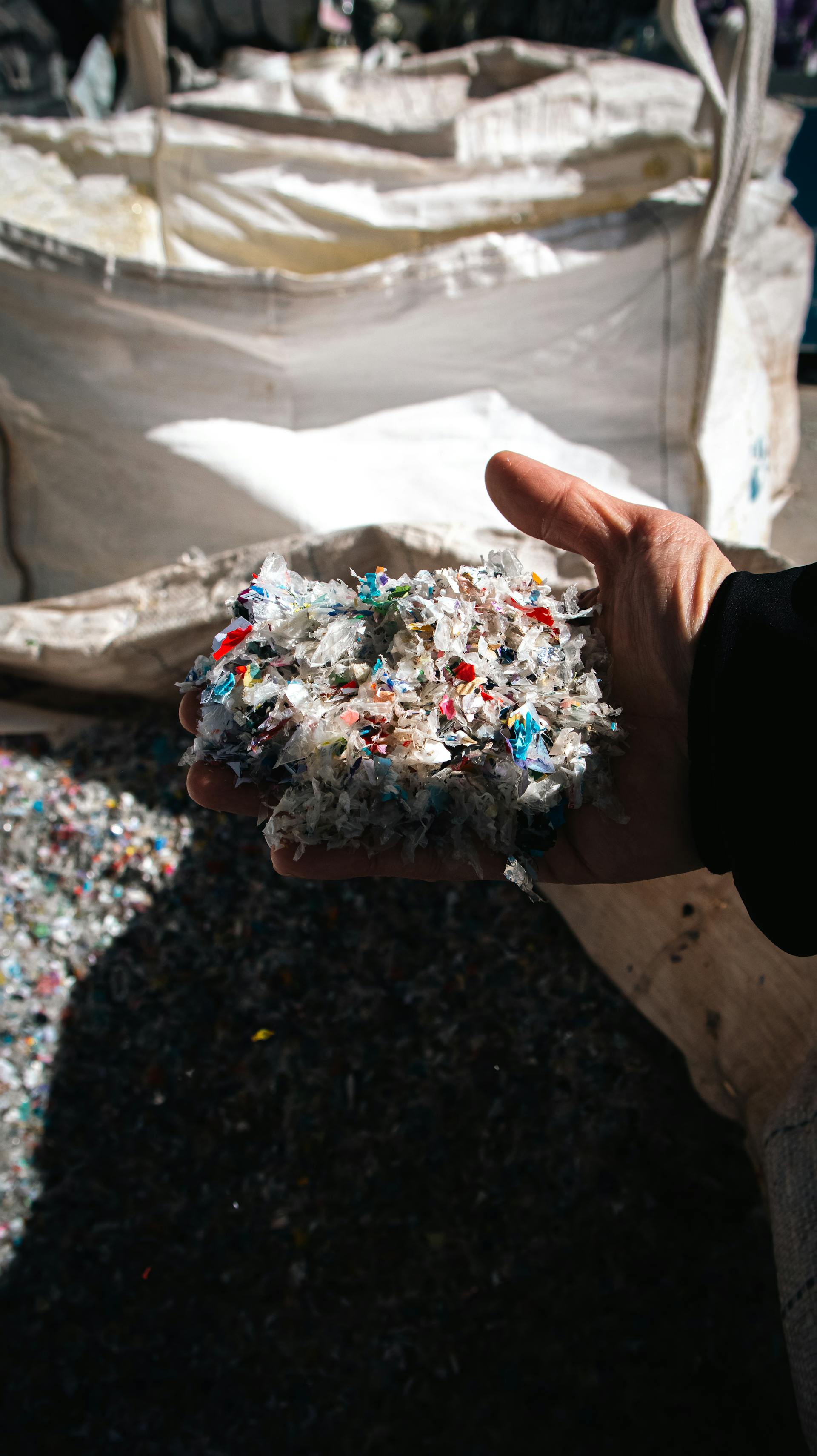
Canada's 2019 Turning Point: When Single-Use Plastics Became Public Enemy #1
Canada's 2021 single-use plastics ban targets consumer items (bags, straws, cutlery) while exempting billions of pounds of industrial stretch wrap. The government celebrates eliminating 15 billion bags annually while shipping/logistics consumes 53% of global stretch wrap production invisibly.
Published By:
Fortune Business Insights
The announcement that changed everything for the logistics industry
On June 10, 2019, Prime Minister Justin Trudeau stood in Mont-Saint-Hilaire, Quebec and drew a line in the sand. Canada would ban harmful single-use plastics by 2021 and hold companies responsible for their plastic waste. For businesses watching from the sidelines, this wasn't just environmental policy—it was a countdown clock.
Five years later, that clock is still ticking. And for companies still wrapping billions of pallets in single-use stretch film, time is running out.
What Canada Promised in 2019
Government Commitment | What It Meant |
|---|---|
Ban single-use plastics by 2021 | Plastic bags, straws, cutlery, plates, stir sticks targeted first |
Hold companies responsible | Manufacturers must manage their plastic waste end-to-end |
Achieve zero plastic waste by 2030 | Complete elimination of harmful single-use plastics |
Align with global standards | Follow European Union and international best practices |
The Numbers That Drove the Decision
The government's announcement wasn't based on sentiment—it was based on stark economic and environmental reality:
Problem | Scale |
|---|---|
Recycling Rate | Less than 10% of plastic gets recycled in Canada |
Annual Waste | Over 3 million tonnes of plastic thrown away yearly |
Lost Value | $8-11 billion in wasted plastic materials by 2030 |
Single-Use Products | One-third of all plastics used for short-lived products and packaging |
Daily Straw Use | 57 million straws discarded every day |
Plastic Bags | 15 billion used annually |
Wildlife Impact:
1 million birds injured or killed annually worldwide
100,000+ sea mammals harmed each year
640,000 tons of fishing gear abandoned in oceans
One garbage truck of plastic enters oceans every minute
The Economic Opportunity Canada Saw
This wasn't just about banning plastics—it was about creating a new economy:
By reducing plastic waste, Canada projected:
1.8 million tonnes of carbon pollution reduced
Billions in revenue from innovation and alternative solutions
42,000 jobs created in sustainable industries
The message was clear: companies that innovate solutions will win. Companies that cling to single-use plastics will lose.
What This Means for Your Business in 2026
That 2019 announcement set forces in motion that are accelerating today:
Then (2019):
Companies had breathing room
Stretch wrap wasn't explicitly targeted
Alternatives were theoretical
Now (2026):
Zero plastic waste goal is just 4 years away (2030)
Single-use plastics bans are expanding
Every shipment wrapped in stretch film is a regulatory liability waiting to happen
The Stretch Wrap Question Nobody Asked
When the government announced bans on plastic bags, straws, and cutlery, the shipping industry breathed a sigh of relief. "They're not coming for us yet," warehouse managers thought.
But look at the government's own data:
Up to 15 billion plastic bags used annually → BANNED
57 million straws used daily → BANNED
Over 2 billion tons of stretch wrap produced globally each year → Still waiting
If you think stretch wrap—one of the largest single-use plastic products in existence—isn't on the regulatory radar, you're not paying attention.
The Writing on the Wall
Single-Use Plastic | Status | Annual Usage |
|---|---|---|
Plastic bags | BANNED (2022) | 15 billion/year in Canada |
Plastic straws | BANNED (2022) | 57 million/day in Canada |
Plastic cutlery | BANNED (2022) | Hundreds of millions/year |
Stretch wrap | NOT YET BANNED | 2+ billion tons/year globally |
The pattern is obvious. The outcome is inevitable.
What Companies Can Do Now
The 2019 announcement gave businesses a clear directive:
"We're working with provinces and territories to introduce standards and targets for companies that manufacture plastic products or sell items with plastic packaging so they become responsible for their plastic waste."
Translation: If your business creates plastic waste, you'll own the responsibility for managing it—and that responsibility will have a cost.
Your options:
Wait and hope stretch wrap bans never come (risky)
Switch to "biodegradable" alternatives that still create waste (inadequate)
Eliminate single-use plastics entirely with reusable systems (future-proof)
The PEER Pallets Solution
This is exactly why PEER Pallets exists. When the government announced its zero plastic waste goal, we didn't see a problem—we saw an opportunity to lead.
Our built-in reusable wrapping system:
✓ Eliminates single-use stretch wrap entirely
✓ Secures loads in under 80 seconds
✓ Can be used infinitely—wrap, unwrap, repeat
✓ Future-proofs your operations against regulatory changes
✓ Saves money while protecting the environment
We're not just compliant with where regulations are headed—we're already there.
The Bottom Line
In 2019, Canada made a promise: harmful single-use plastics would be eliminated.
In 2026, that promise is becoming reality.
The companies that thrive in the next decade won't be the ones clinging to yesterday's solutions. They'll be the ones who saw this announcement for what it really was—a roadmap to the future of sustainable logistics.
The question isn't whether stretch wrap will be banned. The question is: will your business be ready when it happens?
Sources:
Prime Minister of Canada, News Release, June 10, 2019
Government of Canada - Strategy on Zero Plastic Waste
Economic Study of the Canadian Plastic Industry, Markets and Waste
Ready to future-proof your shipping operations? Contact PEER Pallets to learn how our revolutionary pallet system eliminates single-use plastics while saving you money.