Canada Recycling Rate


Canada's Single-Use Plastic Ban: Why One Percent Isn't Enough
UBC Allard research exposes Canada's "1% solution"—the celebrated single-use plastics ban captures just 1% of 3.3M tonnes of annual plastic waste while stretch wrap (2B+ tonnes globally, 53% to shipping/logistics) isn't even mentioned. With plastic use projected to rise 30% by 2030, symbolic bans on bags and straws won't touch the sectors generating the real volume.
Published By:
Fortune Business Insights
The harsh truth about Canada's recycling myth and what it means for your business
By Simi Fagbongbe, Allard JD Candidate 2024 February 13, 2023
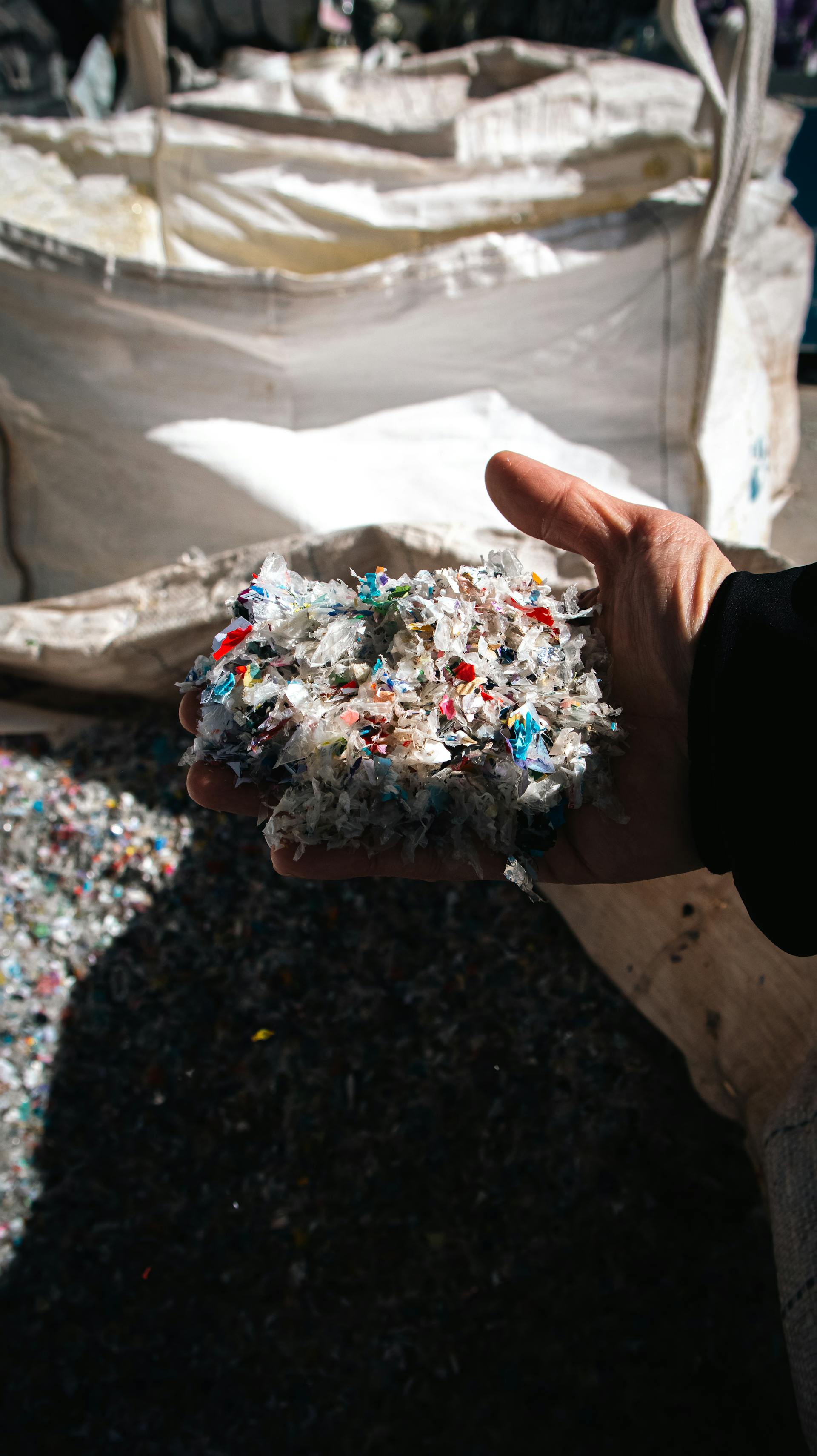
Canada has a dirty secret. Despite our reputation for environmental consciousness, we're one of the worst nations globally for waste generation. And when it comes to plastic, the numbers are sobering: only 9% of the 3.3 million tonnes of plastic waste generated annually gets recycled. The rest? Landfills and the natural environment.
In May 2022, the Canadian government responded with the Single-use Plastics Prohibition Regulations. It was heralded as a critical first step. Environmental groups called it a significant milestone.
But here's what Environment Minister Jonathan Wilkinson admitted: the ban captures only 1% of Canada's plastic waste.
What Canada Actually Banned
Category | Banned Items | Exceptions |
|---|---|---|
Checkout bags | Single-use plastic shopping bags | None |
Straws | Plastic drinking straws | Accessibility exceptions for people with disabilities |
Stir sticks | Coffee and beverage stir sticks | None |
Six-pack rings | Beer and beverage can rings | None |
Cutlery | Plastic forks, knives, spoons | Accessibility exceptions |
Food-Service ware | Items made from hard-to-recycle plastics | None |
The Selection Criteria
Items were chosen based on four factors:
Commonly found in the natural environment
Harmful to wildlife and their habitat
Not often recycled
Have readily available alternatives
Notice what's missing from that list? The volume of plastic they represent. The actual impact on Canada's plastic crisis.
The Problem With "Only One Percent"
Canada's Plastic Reality
Statistic | Impact |
|---|---|
Annual plastic waste generated | 3.3 million tonnes |
Percentage recycled | 9% |
Waste ending up in landfills | Over 90% |
Plastic entering natural environment | 29,000 tonnes annually |
Projected increase in plastic use by 2030 | 30% |
Waste captured by current ban | 1% |
According to Ocean Wise Shoreline Cleanup data, of the targeted items, only plastic bags and straws appear in Canada's 2021 "dirty dozen" list of most commonly found litter items. Combined, they account for just 6.5% of total waste.
With Canada's plastic use projected to increase by 30% by 2030, any reductions from the current ban will be overtaken almost immediately.
The Stretch Wrap Blind Spot
Here's the question nobody in government is asking: if we're banning items based on volume and environmental harm, why isn't stretch wrap on the list?
Comparing Banned Items to Stretch Wrap
Item | Annual Canadian Usage | Status |
|---|---|---|
Plastic bags | 15 billion | BANNED |
Plastic straws | 57 million per day | BANNED |
Plastic cutlery | Hundreds of millions | BANNED |
Stretch wrap (global) | 2+ billion tonnes | NOT BANNED |
Stretch wrap represents one of the largest sources of single-use plastic in existence. It's produced globally at a rate of over 2 billion tonnes annually. In Canada, shipping and logistics accounts for 53% of all stretch wrap usage.
Yet it's not even mentioned in the regulations.
Why Alternatives Aren't Always Better
The regulations selected items based on "readily available alternatives." But those alternatives come with their own problems.
The Paper Bag Paradox
Environmental Factor | Plastic Bag | Paper Bag |
|---|---|---|
Carbon footprint | Lower | Higher |
Forest impact | None | Significant |
Water usage | Lower | Higher |
Air quality impact | Lower | Higher |
Landfill degradation | 450+ years | 1-2 months |
The Reusable Bag Reality
According to a 2011 British study, a cotton tote bag must be used over 100 times before it becomes environmentally better than a single-use plastic bag.
The problem? Nothing in the regulations prevents stores from selling "reusable" bags made of polystyrene (plastic). And many consumers treat these reusable bags as disposable.
Canada's Recycling Delusion
The Conscience-Clearing Myth
Myra Hird, professor at Queen's University School of Environmental Studies, explains the fundamental problem: "When people think their stuff is being recycled, it clears their conscience, no matter what is actually happening beyond the blue box. Our research shows that when their conscience is clear they tend to consume more than ever."
This is Canada's recycling trap. We've convinced ourselves that putting items in the blue box solves the problem. It doesn't.
Where Canada Ranks Globally
Canada consistently ranks as one of the worst nations globally for per capita waste generation. Our reliance on recycling as the solution has failed spectacularly.
What Should Have Been Included
Environmental groups have been clear about what's missing from the regulations:
Items Already Banned in Other Jurisdictions
Item | Environmental Impact | Current Status in Canada |
|---|---|---|
Coffee cups and lids | Millions used daily | NOT BANNED |
Plastic-stemmed cotton buds | Ocean pollution | NOT BANNED |
Plastic cartons for eggs and produce | High volume waste | NOT BANNED |
Lightweight produce bags | Rarely recycled | NOT BANNED |
Cigarette filters | 95% of street litter | NOT BANNED |
All polystyrene/Styrofoam | Never recycled | NOT BANNED |
Two-thirds of Canadians support expanding the ban to include these items. The government hasn't acted.
The Zero Plastic Waste Target: 2030
Canada's official goal is zero plastic waste by 2030. That's just six years away.
Environmental Defence released their assessment: Canada is failing to reach its 2030 timeline.
The reason? The government's misplaced reliance on improving collection and recycling rather than reducing production and consumption at the source.
What This Means for Shipping and Logistics
While the government debates plastic bags and straws, your industry continues wrapping billions of pallets in single-use plastic film. Every day. Every shipment.
The Pattern is Clear
Year | Government Action | Industry Impact |
|---|---|---|
2019 | Ban announced | Time to prepare |
2022 | First items banned | Minimal impact on logistics |
2026 | Regulations under review | Still using stretch wrap |
2030 | Zero plastic waste goal | ??? |
The United Nations identified plastic pollution as the second most ominous threat to the global environment after climate change.
Stretch wrap will not remain unregulated forever.
The Coming Shift
The government has signaled its willingness to "reassess, re-evaluate and expand the ban in the future." That's not a possibility. It's a promise.
What Forward-Thinking Companies Are Doing
Exploring reusable packaging systems
Calculating the true cost of single-use plastics
Preparing for expanded regulations
Building sustainability into their supply chains
What Most Companies Are Still Doing
Wrapping pallets in stretch film
Assuming regulations won't affect them
Treating sustainability as a marketing issue, not an operations issue
Waiting for government mandates before acting
The Behavioral Change Canada Needs
The current plastic ban and recycling-forward approach distort the reality of our overall pollution crisis. What's needed is behavioral change and a cultural shift away from all single-use items.
The Three Rs - Properly Ordered
The waste management hierarchy exists for a reason:
REDUCE - Use less
REUSE - Use again
RECYCLE - Last resort only
Canada has been operating in reverse, focusing on recycling while consumption increases 30% by decade's end.
The PEER Pallets Perspective
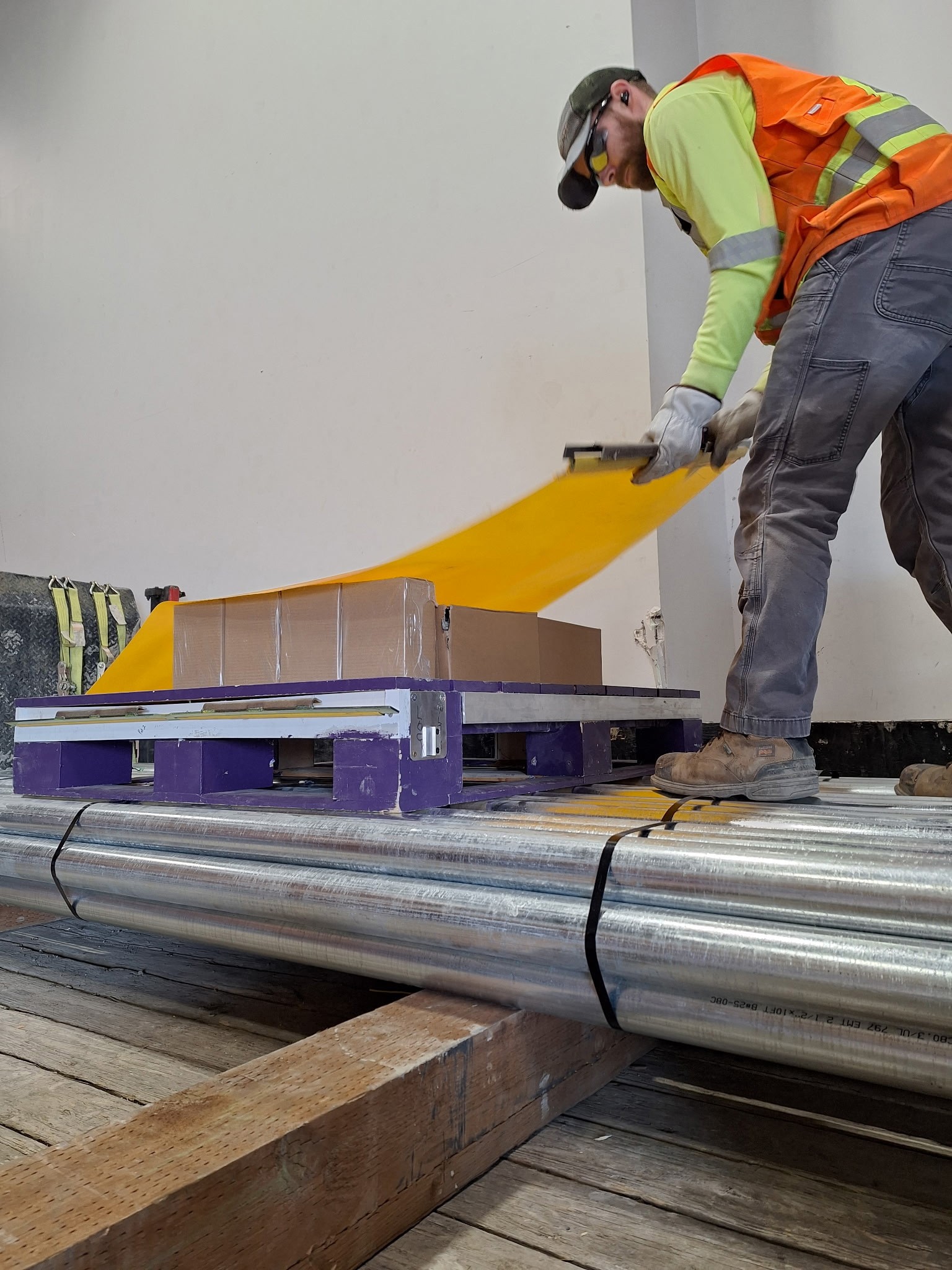
This is why PEER Pallets was created. Not to wait for government mandates. Not to hope that stretch wrap stays unregulated. But to eliminate single-use plastics at the source.
Our Built-In Reusable Wrapping System
Traditional Approach | PEER Pallets Approach |
|---|---|
Wrap with single-use film | Built-in reusable system |
Discard after each use | Reuse infinitely |
Generate tons of waste | Zero waste |
Hope regulations don't change | Already compliant with zero waste goals |
React to mandates | Lead the industry |
When the ban expands to include stretch wrap, we won't be scrambling for alternatives. We'll already be there.
The Bottom Line
Canada's single-use plastic ban is a small step in the right direction. But one percent isn't a solution. It's a warning shot.
The government has committed to zero plastic waste by 2030. That commitment will require expanding regulations beyond plastic bags and straws to address the real sources of plastic pollution in our economy.
Stretch wrap represents billions of tonnes of single-use plastic produced globally every year. The shipping and logistics sector accounts for over half of its usage.
If you think your industry will remain exempt while governments worldwide move aggressively toward zero plastic waste, you're betting your business on hope.
Sources
Fagbongbe, Simi. "Canada's Single Use Plastic Ban is only a Small Step in the Right Direction." Peter A. Allard School of Law, UBC, February 13, 2023.
Environment and Climate Change Canada. Single-use Plastics Prohibition Regulations, 2022.
Ocean Wise Shoreline Cleanup. 2021 Dirty Dozen Report.
Environmental Defence Canada. Zero Plastic Waste Report Card.
Ready to eliminate single-use plastics from your operations before the regulations force your hand? Contact PEER Pallets to learn how our reusable pallet system makes compliance inevitable, not optional.